Script
Confessions from a Pioneer and Innovator in Art, Design, and the Future
Pia MYrvoLD
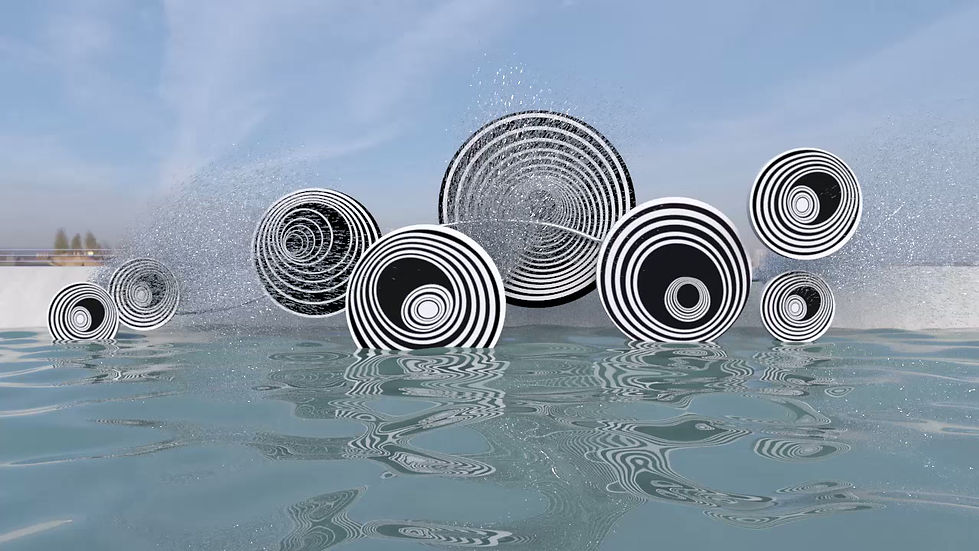
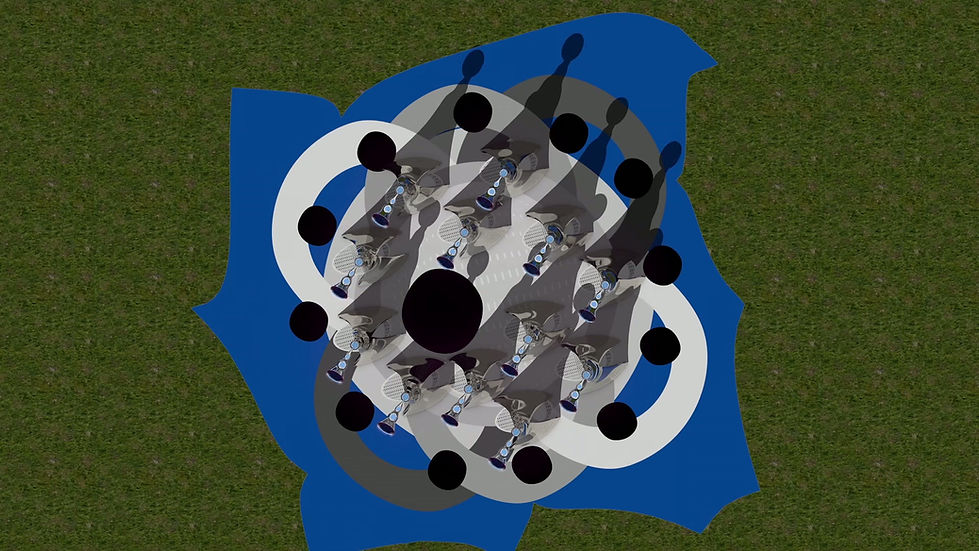
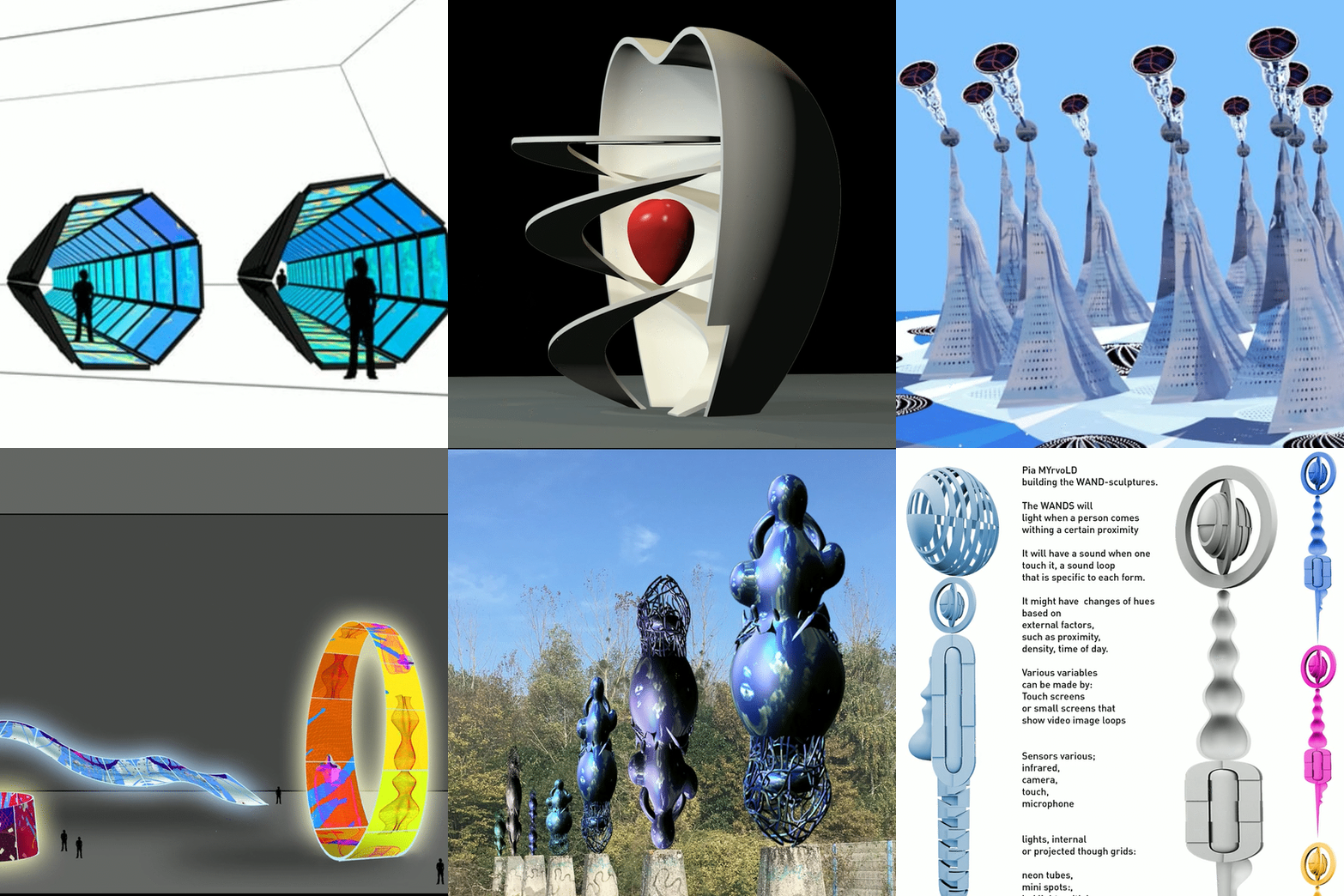
A Paper Architect For many years, the renowned Zaha Hadid was described by her peers at the London Architecture Association as a "paper architect." Her numerous projects were ambitious and groundbreaking, but perhaps due to her being a woman, few dared to support her visionary ideas. In SCRIPTS, I present various concepts that have often existed only as proposals, including my submission to the Norwegian National Museum in 2008, the Syn-Energy proposals for Stavanger, Sandnes, and Sola in 2015, and the CyberCouture project showcased in Kirkenes, Finnmark, in 1998. Many of these ideas were submitted to art juries responsible for public commissions through KORO and regional committees in Stavanger Kommune and other Norwegian cities. Unfortunately, these SCRIPT ideas faced rejection, funding denials, and were ultimately discontinued after years of research and implementation. Being Ahead of My Time Throughout my career, I've often heard from contemporaries, “You are ahead of your time,” ranging from 10 to 30 years. I have consistently disagreed, feeling instead that I was "right on time" and that my cultural and institutional counterparts were the ones lagging behind. Script Scenarios for Exhibition and Cultural Art Interfaces In SCRIPTS, I highlight projects that either only exist as virtual models or did not succeed due to insufficient financial support or a necessary shift in public consciousness. CyberCouture (1996-2004) When I was accepted onto the French official prestige list for Créateur de Modes in 1994, I needed to quickly acquire production and industry skills that I had not previously developed. My earlier focus integrated interdisciplinary philosophies, textiles, and one-off wearable artworks. Between 1995 and 1998, the fashion industry in France experienced significant upheaval, with design houses pressured to reduce prices. Consequently, many production processes were outsourced to cheaper labour markets in China and similar regions. I felt that this practice compromised the integrity and meaning of my wearable art, often associated with poor oversight regarding workers and child labour. Moreover, I was concerned about Paris losing its 5,000 ateliers and studios, which represented specialised craftsmanship where mastering skills typically required 20 years of experience. Problem-Solving Ethical and Aesthetic Solutions within a Civil Engineering Perspective I found an innovative solution in my concept of CyberCouture, which I first presented during the October Fashion Week in 1996. It was a pioneering interactive design studio online, merging art with fashion. Users could access editorial content—including images, videos, and sounds from contributing artists—and download this onto made-to-measure garments sent directly to clients. By eliminating middle-link distribution costs, CyberCouture preserved craftsmanship while maintaining product integrity without raising prices. Additionally, this new model aimed to combat the overproduction of inexpensive clothing. It also provided a revenue platform for artists and editors, who would earn royalties when their content was sold as part of CyberCouture garments. The Myth of Cassandra Reemerges * Twenty years after this innovation, which struggled for financial backing and faced scepticism from the fashion press for indirectly critiquing influential leaders in the industry, we can see the monumental consequences of poor management and planning during that era. We have since lost vital knowledge and craftsmanship, leading to a culture of low-quality consumption in clothing, driven by cheap labour and quick production cycles. Syn-Energy (2015-2019) Another significant project that faced challenges is Syn-Energy. This initiative examined how art and design could serve as integral components of architecture and urban landscapes, creating structures that harness energy from solar, wind, water, or human interaction. The title merges the concepts of synergy and energy, positioning itself as a model for ethical and aesthetic solutions within civil engineering. Initially presented during the oil crisis in the Norwegian petroleum industry, which left over 1,000 engineers unemployed in Greater Stavanger, I sought to develop a model utilising the region's advanced production facilities and technology, combining this with my international network of potential clients in the U.S., Europe, and Asia. In meetings with mayors and political leaders in Stavanger and Sandnes, I encountered a cultural clash marked by a fundamental lack of understanding regarding intellectual capital development and new revenue models. Art for Tomorrow, Doha (2017-2018) Due to my exhibition Art Avatar at the Centre Pompidou, I was invited as the main speaker and exhibitor at ART FOR TOMORROW, organised by The New York Times in Doha, 2016. I concluded my lecture with the possibilities presented by Syn-Energy. Her Royal Highness Sheikha Al Mayassa expressed interest in a public monument, and I was invited to propose a virtual model of Sun Trumpets, a multimedia kinetic robotic park with sculptures harnessing solar energy. However, political upheaval in Qatar delayed my project. The Quest: Integrating Aesthetic Practice into Modern Urban Design How can we re-integrate aesthetic practices into modern urban design? Solar panels, wind turbines, rainwater harvest systems, and sports facilities can all be incorporated into beautiful environments, serving multiple purposes instead of remaining mere add-ons with single functions. Unfortunately, the press, industry leaders, and political consensus often view art and aesthetics as frivolous, dismissing them as unimportant or unrelated to business. This prejudice is deeply rooted in corporate society, particularly in Norway, where the wealthy state seldom invests in art, design, and innovation— a stark contrast to its Scandinavian counterparts. Proof of Cost: Fast Profit versus Long-Term Investment Through my projects, I have demonstrated that working on multifaceted solutions that consider moral and aesthetic aspects often incurs similar, or even lower, costs while providing significantly longer lifespans and productivity across various sectors—urban life, social well-being, and meaningful workplace interactions. Ultimately, the question remains: who truly pays the price for the ecological and societal stress caused by the pursuit of rapid profit? * The Myth of Cassandra Reemerges: The myth of Cassandra originates from Greek mythology. Cassandra was a daughter of Priam, the king of Troy, and was granted the gift of prophecy by the god Apollo. However, her gift came with a curse: although she could accurately predict the future, no one would ever believe her predictions.
The Galleries